

Public perception can influence almost every aspect of a business from customer confidence and employee trust to investor interest and market credibility. As communication channels continue to expand, managing how a company is seen, understood and remembered has become increasingly important. This is where a professional PR Agency in India plays a significant role.
A public relations agency does much more than distribute press releases or arrange media coverage. It helps organisations communicate with clarity, respond to changing situations, build authority and maintain meaningful relationships with their stakeholders.
Understanding the Role of a PR Agency In India
A PR agency in India works as a strategic communication partner for businesses, institutions, leaders and organisations. Its primary responsibility is to help shape and manage the public narrative surrounding a brand.
This involves identifying stories that matter, understanding the right audience, selecting suitable communication platforms and ensuring that every message remains aligned with the organisation’s values and business objectives.
Unlike advertising, which generally involves paid brand promotion, public relations focuses on building credibility through meaningful communication, editorial visibility, coordination with the stakeholders and long-term reputation development.
Developing a Strategic Communication Plan
Every organisation has different communication priorities. A startup may want to introduce its business model to the market, while an established company may be focused on strengthening corporate credibility or managing industry perceptions.
A professional PR Company in India begins by understanding the organisation’s background, target audience, competitive environment and communication challenges.
Based on these insights, the agency develops a structured communication strategy. This may include:
- Identifying relevant brand narratives
- Defining key messages
- Selecting appropriate media platforms
- Creating leadership communication opportunities
- Planning announcements and corporate updates
- Preparing for potential reputation risks
A clear strategy ensures that communication remains consistent rather than becoming limited to occasional publicity.
Building Meaningful Media Relations
Media relations remains one of the most recognised functions of a PR agency. However, effective media engagement is not simply about sending information to journalists.
It involves understanding what makes a story relevant, identifying suitable publications and presenting information in a manner that offers value to editors, reporters and readers.
A PR agency may support organisations through press releases, media articles, interviews, expert comments, feature opportunities and industry-focused stories. The objective is not to generate visibility at any cost, but to build relevant and credible media presence.
Strong media relations are developed over time through accuracy, responsiveness and a clear understanding of editorial requirements.
Strengthening Brand Reputation
Reputation is built through every interaction a company has with its stakeholders. Customer experiences, leadership statements, media reports, online conversations and internal communication can all influence how a brand is perceived.
Reputation management therefore forms an important part of modern PR Services in India.
A PR agency helps ensure that the organisation communicates consistently across different situations and platforms. It also identifies possible gaps between what a company wants to represent and how it is currently perceived.
Through carefully planned communication, businesses can strengthen trust, address misconceptions and establish a more distinct position within their industries.
Establishing Thought Leadership
Business leaders today are increasingly expected to participate in important industry conversations. Their perspectives can help build confidence in the organisation while demonstrating expertise and long-term vision.
A PR agency supports thought leadership by identifying relevant subjects and converting leadership insights into credible communication formats.
These may include:
- Authored articles
- Industry opinion pieces
- Leadership interviews
- Speaking opportunities
- LinkedIn communication
- Expert comments on industry developments
Thought leadership should not sound like corporate promotion. It should contribute useful ideas, address meaningful issues and offer informed perspectives to the intended audience.
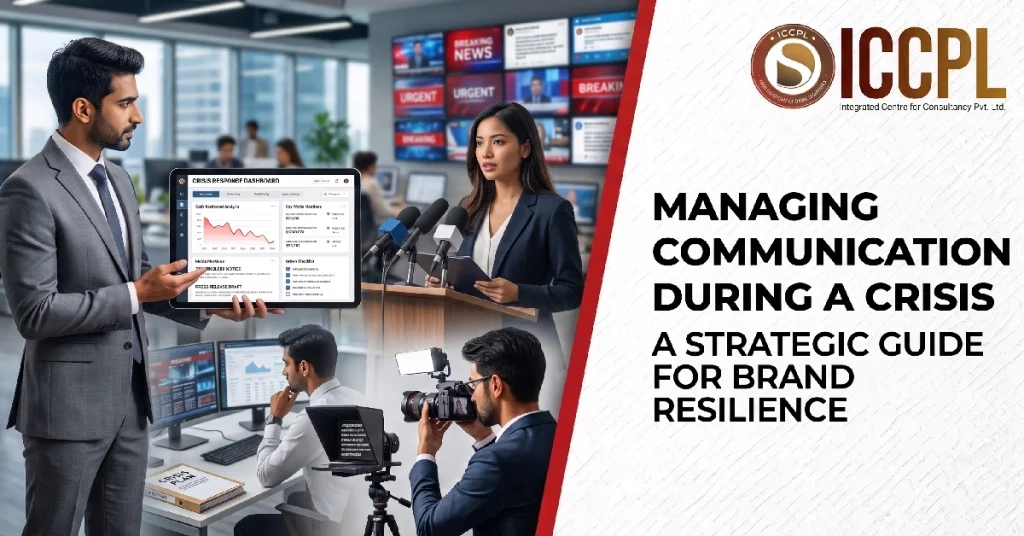
Managing Communication During a Crisis
A crisis can emerge from operational challenges, customer concerns, online conversations, legal developments, inaccurate reporting or unexpected external events.
During such situations, delayed or unclear communication can increase uncertainty.
A PR agency helps organisations prepare crisis communication frameworks, define spokesperson responsibilities, develop holding statements and coordinate responses across relevant channels.
The purpose of crisis communication is not to conceal information. It is to ensure that verified facts are communicated responsibly, consistently and at the right time.
Preparedness allows organisations to respond with greater clarity while protecting stakeholder confidence.
Supporting Digital PR and Online Visibility
The role of PR has expanded significantly with the growth of digital media. Brand reputation is now shaped not only by traditional publications but also by search results, social media platforms, online discussions and digital news portals.
Digital PR combines credible content, media visibility, online reputation management and search-friendly communication.
A well-planned campaign can help a business strengthen its digital footprint while ensuring that relevant and authoritative information is easily discoverable online.
This is also where PR and SEO increasingly work together. Media articles, leadership content, brand announcements and expert commentary can improve online visibility when they are written naturally around relevant search themes.
However, keywords should support readability rather than overpower it. The content must first provide genuine value to the reader.
Creating Consistent Corporate Communication
An organisation communicates with many audiences, including customers, employees, investors, business partners, government bodies and industry stakeholders.
Each audience may require a different communication format, but the central message of the organisation must remain consistent.
A public relations agency can support corporate announcements, internal communication, leadership messages, event communication, social media narratives, website content and stakeholder updates.
This integrated approach helps prevent fragmented communication and ensures that the brand speaks with clarity across different platforms.
How ICCPL Approaches Modern Public Relations
At ICCPL (Integrated Centre for Consultancy Pvt Ltd), public relations is viewed as a long-term reputation and communication function rather than a short-term exercise in generating publicity.
The focus remains on understanding the organisation, identifying communication opportunities and developing narratives that are relevant to both the brand and its audiences.
Instead of placing unnecessary promotional messages into every communication, the approach is centred on credible storytelling, media relevance, leadership positioning and consistent brand representation.
This allows communication to support wider organisational goals while remaining informative, responsible and publication-friendly.
Choosing the Right PR Agency in India
Before selecting a PR partner, businesses should evaluate whether the agency understands their industry, audience and long-term communication requirements.
The right agency should be able to combine strategic thinking with strong writing, media understanding, digital awareness and reputation management capabilities.
It should also be willing to advise against communication that may appear exaggerated, irrelevant or disconnected from the organisation’s actual position.
Ultimately, the value of a PR Agency in India lies not only in how often a brand is seen, but in how clearly, consistently and credibly it is understood.
For organisations seeking to strengthen their public narrative, ICCPL offers a communication approach built around relevance, reputation and long-term brand value.
Frequently Asked Questions
What is the main function of a PR agency?
The main function of a PR agency is to manage communication between an organisation and its stakeholders. This includes media relations, reputation management, corporate communication, leadership positioning and crisis communication.
How is PR different from advertising?
Advertising involves paid promotional space, while PR focuses on building credibility through editorial communication, media engagement, thought leadership and stakeholder relationships.
Can a PR agency help improve online visibility?
Yes. Through digital PR, media articles, leadership content and search-friendly communication, a PR agency can help strengthen a brand’s online presence and discoverability.
Why should businesses work with a PR agency?
Businesses work with PR agencies to communicate more effectively, build credibility, manage reputation risks and maintain consistent relationships with media and other stakeholders.